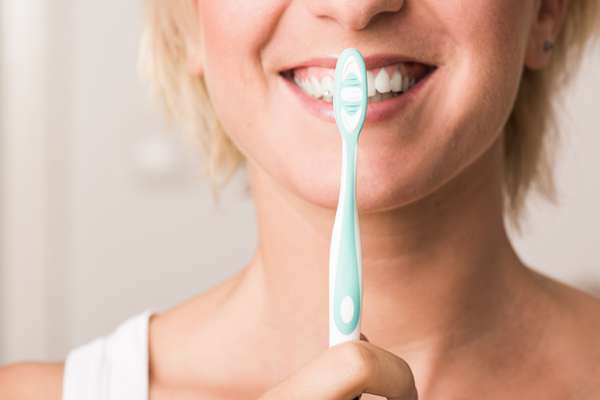
 Though the work of a cosmetic dentist, individuals have the opportunity to transform a smile, repair broken or cracked teeth, and restore oral health. Whether it is a treatment to whiten the teeth or the attachment of a dental crown, cosmetic dentistry provides long-term solutions for patients who deal with poor function, discomfort, and low confidence because of their teeth. After the cosmetic work is completed, it is important to take care of the results.
Options for treatment
There are a number of treatments a cosmetic dentist can provide, ranging from replacing missing teeth to restoring damaged teeth. Poor oral hygiene is often a leading factor in damaged or decayed teeth, with the extent of the condition deciding what options are available for repair or replacement.
4 recommendations for caring for treatments
During an appointment where cosmetic work is completed, the dentist typically provides specific instructions for post-procedure care. These could include refraining from brushing near an incision site or treated area, avoiding smoking or using a straw for a few days following the procedure, and carefully choosing foods and beverages until healing has occurred. Here are another four ways to provide long-term care for the end result of the treatment.
1. Rinse the mouth immediately after eating or drinking
Beverages like coffee, tea, or wine or dark-colored foods can stain the teeth. It may not always be possible to brush right after eating or drinking, but rinsing the mouth thoroughly can still be helpful in removing pigment off the teeth. Carrying a travel-sized bottle of mouthwash in the car or in a purse or keeping a bottle in a desk drawer helps remove both stain and bacteria from the mouth. Plain water can also be used.
2. Chew hard foods carefully with crowns, veneers, or bonded teeth
Though cosmetic treatments are durable, too much force upon crowns, bonded teeth, or veneers can cause damage. Take cation when chewing foods like ice cubes or almonds and attempt to disperse the pressure onto several teeth. Never use teeth as a tool to open a bag or a package, and do not chew on things like pens or pencils with restored teeth.
3. Wear a nightguard
Patients who have a habit of grinding or clenching their teeth may want to consider investing in a nightguard to protect a cosmetic restoration. While there are generic sizes, such as the ones athletes use, a custom-fit nightguard is typically more comfortable and effective against damaging or cracking veneers or crowns.
4. Consider touch-up products
Teeth whitening and other procedures can be maintained through the use of a whitening toothpaste that is nonabrasive. Avoid using products that contain baking soda, as the compounds are highly abrasive and can eat away at bonded teeth or veneers. Maintaining the recommended twice a day brushing and flossing routine can keep treatments looking great for years to come.
Conclusion
Good dental hygiene is recommended when taking care of treatments done by a cosmetic dentist. Pay attention to all instructions given by the provider and keep follow-up appointments to ensure things are going well.
Request an appointment or call Dragonfly Dental of Port Charlotte at 941-676-9225 for an appointment in our Port Charlotte office.
Related Posts
If you are looking to enhance your smile and erase imperfections, a cosmetic dentist can help. Cosmetic dental services focus on enhancing the aesthetic of your teeth and gums, addressing common issues that many label as a nuisance or eye sores. Here are five of the most sought-after services for which most are considered ideal…
A cosmetic dentist can offer different options for repairing your damaged tooth or teeth. Your teeth are strong, but when there is intense trauma, they could crack or chip. Seeing your dentist right away is necessary to prevent more damage. This is also important in rebuilding your self-esteem. Here are the different ways a cosmetic…
A visit to a cosmetic dentist can enhance the look and health of your smile, boosting your psychological and emotional well-being. A radiant smile can light up a room and leave a lasting impression in personal and professional situations. Also, there is a close link between confidence and appearance, and smiles can significantly impact how…