A Dentist Shares Facts About Primary Teeth
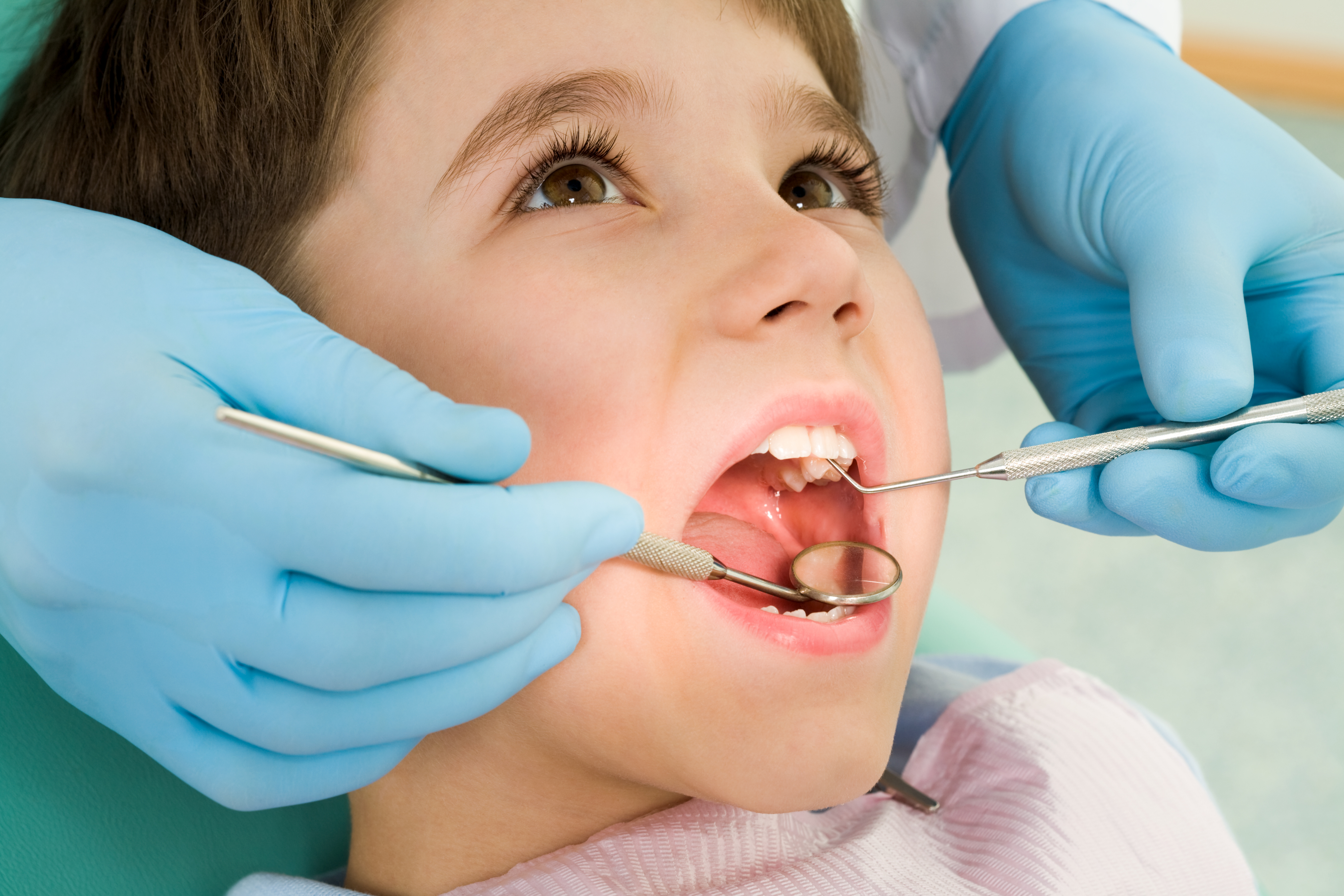 Your dentist can help you care for your child’s teeth. They can also teach you when their primary teeth should come in and when they should fall out. Here is a closer look at understanding primary teeth.
How can I help my child take care of their teeth?
A dentist should explain ways to care for a child’s teeth and let parents know when their child is old enough to care for their teeth independently.
- When a child is very young, a parent can cradle their head with one arm and brush their teeth with the other hand. As a child grows older, they will develop enough coordination and dexterity to brush their teeth on their own, but parents should still check their teeth after they brush and go over any spots they missed.
- Parents should use a pea-sized dab of fluoride toothpaste on a soft nylon-bristled toothbrush to brush a child’s teeth. Parents should instruct a child to spit out the toothpaste when the brushing is done, rather than swallow the toothpaste. It is important to make sure a child flosses between teeth that touch each other because this will remove food from between teeth where a toothbrush cannot reach. Parents typically need to floss a child’s teeth for them until they are nine years old.
- Parents should help a child brush their teeth twice a day until they are eight years old or until they can show that they can do an excellent job of brushing their teeth on their own. It would be best to brush a child’s teeth after eating breakfast and before going to bed. A child’s molars are the most important teeth to brush well because they have many little grooves and crevices where food particles can hide and feed bacteria.
A dentist can place sealants on a child’s molars to protect them from decay. However, brushing and flossing are still important. A general dentist can help parents determine if a child is getting enough fluoride.
When should primary (baby) teeth come in and fall out?
A child’s primary lower central incisors should come in between 6 and 10 months old. Their primary lower lateral incisors should come in at 10 to 16 months. Their first molars should erupt at 14 to 18 months. Their primary lower canine teeth come in at 17 to 23 months. Their second molars should be the last primary teeth to erupt, around 23 to 31 months.
A child should lose their primary upper and lower central incisors when they are 6 to 7 years old. They should lose their primary upper and lower lateral incisors between the ages of 7 and 8. Their upper primary canine teeth should be lost when the child is 10 to 12 years of age, while their lower primary canine teeth should come out when they are 9 to 12 years old. A child’s upper and lower primary first molars should fall out when they are between the ages of 9 to 11. The primary upper and lower second molars should fall out around 10 to 12 years old.
Contact your dentist
If you'd like more information about primary teeth, contact your dentist directly. It's important to educate yourself and your children about the proper way to care for your teeth. Your dentist can guide you toward the best oral health care.
Request an appointment or call Dragonfly Dental of Port Charlotte at 941-676-9225 for an appointment in our Port Charlotte office.
Related Posts
Dentistry is concerned with diagnosing, preventing, and treating diseases, disorders, and conditions of the oral cavity and adjacent and related structures and their impact on the human body. Often, dentists will recommend extraction to remove a tooth due to decay, pain, or other factors which could lead to future health issues, possible loss of teeth,…
A dentist may recommend a partial denture if you are missing teeth. A partial denture can help restore your smile and even help you chew and speak more clearly. Here is a closer look at dentures and how they can transform your mouth.Whether a dentist suggests a whole or partial denture depends on how many…
Dentistry is dedicated to helping patients stay healthy and keep their smiles beautiful. One way dentists do so is with regular dental exams.During dental exams, dentists take X-rays to ensure everything is fine inside their patients' teeth. They also do a visual exam where they look into patients' mouths.Finally, dentists clean teeth by scraping off…