Dentures 101: Types, Costs, and How to Find the Right Fit
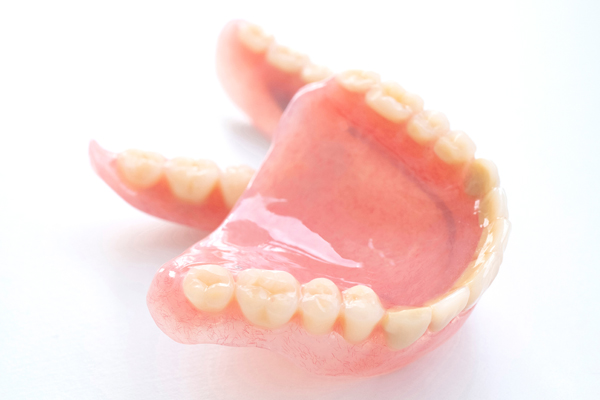
Tooth loss can make eating difficult, change the way you speak, and affect your self-confidence. Dentures have long helped solve this problem by replacing missing teeth. Moreover, they remain a popular option because they restore the smile in a natural, comfortable way. Learning more about how dentures work and what the process involves can help you feel more confident before scheduling a consultation.
Denture basics
Dentures are designed to do the work of natural teeth while supporting facial muscles and appearance. When teeth are missing, the cheeks and lips can lose their support, which often changes the overall look of the face. A well-made set of dentures restores this volume and helps a person chew and speak with more ease. They also help keep the mouth healthy by preventing any remaining natural teeth from drifting out of place.
However, the way a denture fits directly influences how well it works and how comfortable it is to wear. A denture that securely fits the gums will stay in place during meals and talking. Properly fitted dentures also reduce the risk of sore spots.
Keep in mind that it is natural for the gums and jawbone to change after tooth loss. This is because there are no tooth roots left to stimulate the jawbone, as dentures sit atop the gums and do not stimulate the underlying bone tissue. A general dentistry team can assess denture fit during regular dental checkups and recommend adjustments as needed. Knowing that adjustments are a normal part of the process helps patients set realistic expectations for the long term.
Comparing common types of dentures
There is no single solution for tooth loss because every mouth is shaped differently. A general dentistry team assesses the number of missing teeth and the health of the jaw to determine which type of denture is most appropriate. The most common options include:
- Full arch dentures. Dentists recommend full arch dentures when the patient is missing all of their teeth in their upper or lower arch; they rest directly on the gums.
- Partial dentures. These dentures are for individuals who still have some natural teeth, as they use those remaining teeth as a framework to stay in place.
- Immediate or temporary dentures. These are placed in the mouth on the same day teeth are removed, so a patient does not have to leave without a smile.
- Implant-supported dentures. Combining the benefits of implants and dentures, implant-supported dentures are clipped onto implants in the jaw, providing a much higher level of stability than traditional dentures.
Each of these options serves a different purpose, and the choice depends on the patient's needs, oral health, budget, and treatment.
How much do dentures cost?
The exact price of a new smile depends on several factors. Preliminary work is a good example: Some patients need to have teeth pulled or their gums treated before they can get dentures.
Other factors include the quality of the lab and the chosen denture type. Those made with more durable materials or highly detailed tooth shapes may cost more, especially when made in a dental lab. Similarly, adding implants to the treatment plan will increase the total investment.
Meanwhile, the less involved the denture is, the less it tends to cost. Take a partial denture, for example. It only replaces a few teeth and, thus, costs less than a full set of traditional full arch dentures.
The good news is that smile restoration is considered a medical necessity, and it should be at least partially covered by dental insurance. Confirm coverage with both the general dentistry office and insurance carrier to avoid any surprises.
Finding the right fit
Choosing a denture is about finding a balance between oral health needs and daily habits. Some people want the highest level of stability so they can eat any food they like without worry. Others prefer a simple, removable option that does not involve oral surgery. The former are great candidates for implant-supported dentures, while the latter are likely to benefit from traditional dentures.
That said, patients should also consider their lifestyle. For those who travel often or have a job that involves a lot of talking, the extra security of implant-supported dentures may be worth the investment. Others find that a well-fitting traditional denture is all that they need to feel like themselves again. At the end of the day, the goal is to choose a style that fits both the physical shape of the mouth and the patient's everyday life.
Schedule a consultation today
Are you considering dentures? Our team at Dragonfly Dental of Port Charlotte can help you find the right fit to restore your smile. Contact us today at our {[CITY}} office to schedule a consultation.
Request an appointment here: https://dragonflydentalportcharlotte.com or call Dragonfly Dental of Port Charlotte at (941) 676-9225 for an appointment in our Port Charlotte office.
Check out what others are saying about our dental services on Google: Dentures and Partial Dentures in Port Charlotte, FL.
Related Posts
Finding lifelike dentures is crucial for anyone facing significant tooth loss. Modern restorative dentistry moves away from the one-size-fits-all approach of the past and focuses on the unique anatomy, facial structure, and personality of each patient. Today, the objective remains a smile that functions perfectly and looks so convincing that most people never suspect the…
Partial dentures are an affordable way to replace missing teeth and bring back a person's smile. When someone is missing teeth, their confidence can be shaken. Missing teeth can also lead to several other problems and should be taken care of soon as possible.Talking with a dentist is always the best way to determine any…
False teeth, or dentures, are removable appliances that help many people eat and smile with confidence. When properly cared for, a set can last for many years.Dentures are typically made of either porcelain or acrylic resin. Porcelain dentures last longer. However, they weigh more than acrylic dentures and are more expensive.Acrylic resin dentures are simpler…
Partial dentures with dental implants offer a long-term solution to replacing a section of missing teeth. This is a great replacement solution even if you have multiple teeth that are missing, as it utilizes two or more dental implants to support the partial denture rather than having the dentures rest upon and be supported by…