 One of the most routine parts of general dentistry is placing dental fillings in patients. Your dentist may have told you that you need a filling. General dentistry can resolve several dental issues with fillings. You also have choices in the type of filling and the material making up your filling. Here are a few things you should know about general dentistry and what dentists use a dental filling for.
Cavities are the main culprit
Patients do not always realize there is a cavity until the dentist spots it. Patients and dentists should treat the cavity when the dentist spots it so that it does not become more serious. Over time, cavities can grow larger, leading to more tooth decay. If there is too much tooth decay for too long, the dentist may have to remove the tooth. It can also cause decay in nearby teeth, pain, and issues with the gum and jawbone. Placing a filling can prevent those issues.
Types of dental fillings
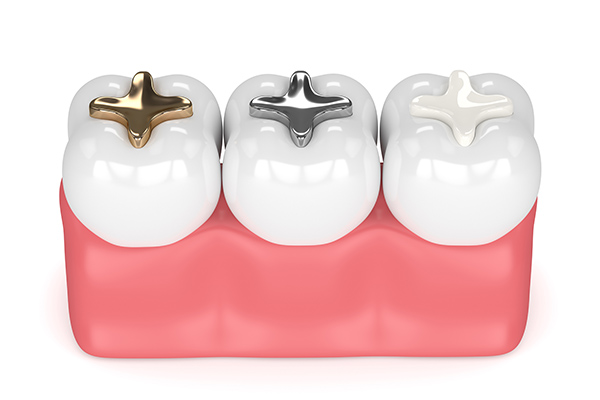
There are several types of fillings available. Many people are familiar with traditional amalgam fillings. These combine mercury, silver, zinc, tin, and copper. These fillings are long-lasting, but dentists often need to drill the area and make it larger than the original cavity hole to fit the fillings. Many dentists hesitate to drill the undamaged part of the teeth and suggest composite fillings. Composite fillings are resin and plastic and have a natural appearance.
General dentistry can also create fillings with ceramic, although ceramic fillings can be brittle and break easily. Children often get glass ionomer fillings because these fillings can release fluoride, which protects the tooth. But glass ionomer fillings are not ideal for adults because they do not last long. Gold fillings are the final option. Many dentists do not offer them due to the expense. However, gold fillings last the longest — often more than 20 years.
How the dentist places a filling
The dentist will clean the teeth and clear out any infection in the tooth that needs a filling. An anesthetic will ensure the patient does not feel any pain. The cavity can make the tooth nerve tender. The dentist will use a drill or other tool to remove the damaged part of the tooth and create the space for the cavity. When the tooth is ready, the dentist places the chosen filling type. After, the dentist polishes the filling and makes any final adjustments.
Other reasons for fillings
Some people need fillings for other dental issues. In general dentistry, patients can also need fillings for a cracked tooth or teeth damaged by excessive grinding. Even the habit of regular nail-biting can cause teeth to chip or crack. All this causes damage to the protective enamel. This exposes the interior of the tooth and the nerve as well.
General dentistry solves important problems
When you visit a dentist regularly, you can treat your cavities before they become more serious issues. Oral health is essential, and dental fillings keep your mouth healthier. General dentistry supports preserving your natural teeth. If you need a filling, talk to your dentist about how dentists use fillings and what your choices are.
Request an appointment or call Dragonfly Dental of Port Charlotte at 941-676-9225 for an appointment in our Port Charlotte office.
Related Posts
Dentistry is concerned with diagnosing, preventing, and treating diseases, disorders, and conditions of the oral cavity and adjacent and related structures and their impact on the human body. Often, dentists will recommend extraction to remove a tooth due to decay, pain, or other factors which could lead to future health issues, possible loss of teeth,…
A dentist may recommend a partial denture if you are missing teeth. A partial denture can help restore your smile and even help you chew and speak more clearly. Here is a closer look at dentures and how they can transform your mouth.Whether a dentist suggests a whole or partial denture depends on how many…
Dentistry is dedicated to helping patients stay healthy and keep their smiles beautiful. One way dentists do so is with regular dental exams.During dental exams, dentists take X-rays to ensure everything is fine inside their patients' teeth. They also do a visual exam where they look into patients' mouths.Finally, dentists clean teeth by scraping off…