 If you are considering how to replace missing teeth, a good option many people prefer is dental implants. Dental implants have become popular because of the fact that they are designed to be permanent and last for decades. Because of how they are constructed, they are many times more durable than other options, such as partials and full dentures or even dental bridges. However, that does not mean that you do not have to perform any upkeep on them. While they should not need maintenance from a dentist unless you are in a serious accident, the implants still need to be cared for so they will last as long as they should.
Thankfully, implants are not hard to care for if you know what to do. We have prepared this guide to help explain what needs to be done to care for your implants to ensure their longevity.
Do I need special equipment to care for my implants?
The great thing about caring for your implants is that you do not need anything more than you would already use on your natural teeth to care for your dental implants once they are installed. As long as you know how to maintain a good oral hygiene routine and stick to it, you can care for your implants just fine.
This is because implants, despite being prosthetic, function just like natural teeth, so the process for upkeep is no different.
Caring for implants
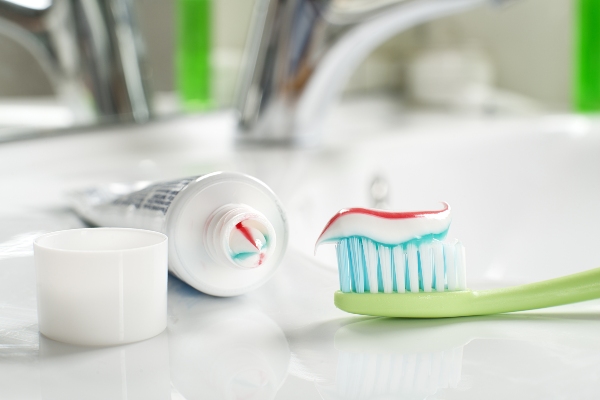
Caring for your implants starts the minute they are finished benign installed while you are still recovering. During the few days that it typically takes to recover from the surgery, you have to be extra careful to keep the implant clean, which can be done with a toothbrush, and avoid eating hard foods that could irritate the site of the surgery.
Once the site of the surgery has healed completely and there is no pain or soreness, you can begin caring for your implants like normal. The new teeth are designed to slowly bond with your mouth over time and feel more and more like natural teeth. The construction makes them stronger and more durable than natural teeth, but the same rules for hygiene still apply.
You should brush and floss after meals or at least twice a day to keep debris and germs from building up. You may even want to switch to an antibacterial mouthwash to help reduce the chances of bacteria buildup and developing gum disease. Your dentist may want to see you every few weeks for the first year after getting your implants, but so long as you maintain your hygiene routine and do not damage the implants through an accident or injury, you should have nothing to worry about in terms of maintenance from there forward.
Conclusion
Caring for dental implants is not difficult at all. Treat them like natural teeth, and remember to brush, floss, and rinse daily. Follow your dentist’s advice, and you should have a set of teeth you can be proud of for the rest of your life.
Request an appointment or call Dragonfly Dental of Port Charlotte at 941-676-9225 for an appointment in our Port Charlotte office.
Related Posts
Dentistry is concerned with diagnosing, preventing, and treating diseases, disorders, and conditions of the oral cavity and adjacent and related structures and their impact on the human body. Often, dentists will recommend extraction to remove a tooth due to decay, pain, or other factors which could lead to future health issues, possible loss of teeth,…
A dentist may recommend a partial denture if you are missing teeth. A partial denture can help restore your smile and even help you chew and speak more clearly. Here is a closer look at dentures and how they can transform your mouth.Whether a dentist suggests a whole or partial denture depends on how many…
Dentistry is dedicated to helping patients stay healthy and keep their smiles beautiful. One way dentists do so is with regular dental exams.During dental exams, dentists take X-rays to ensure everything is fine inside their patients' teeth. They also do a visual exam where they look into patients' mouths.Finally, dentists clean teeth by scraping off…